
1/2 Day
Daily Tour
Unlimited
English, Espanol
PLACES YOU VISIT IN OUR CUSCO CITY TOUR
Qoricancha, also called the Temple of the Sun
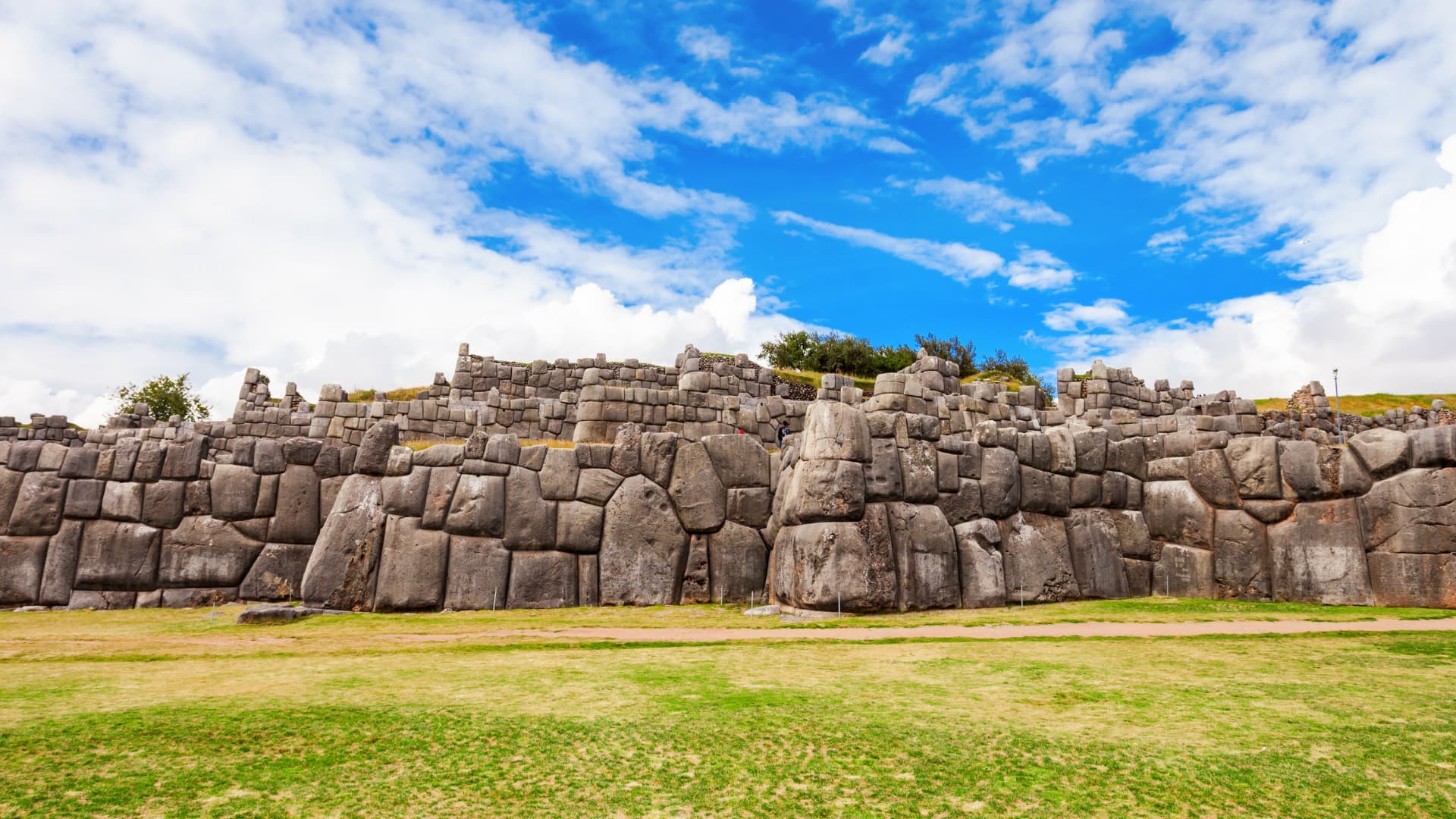
Sacsayhuaman, the most impressive archeological site near Cusco
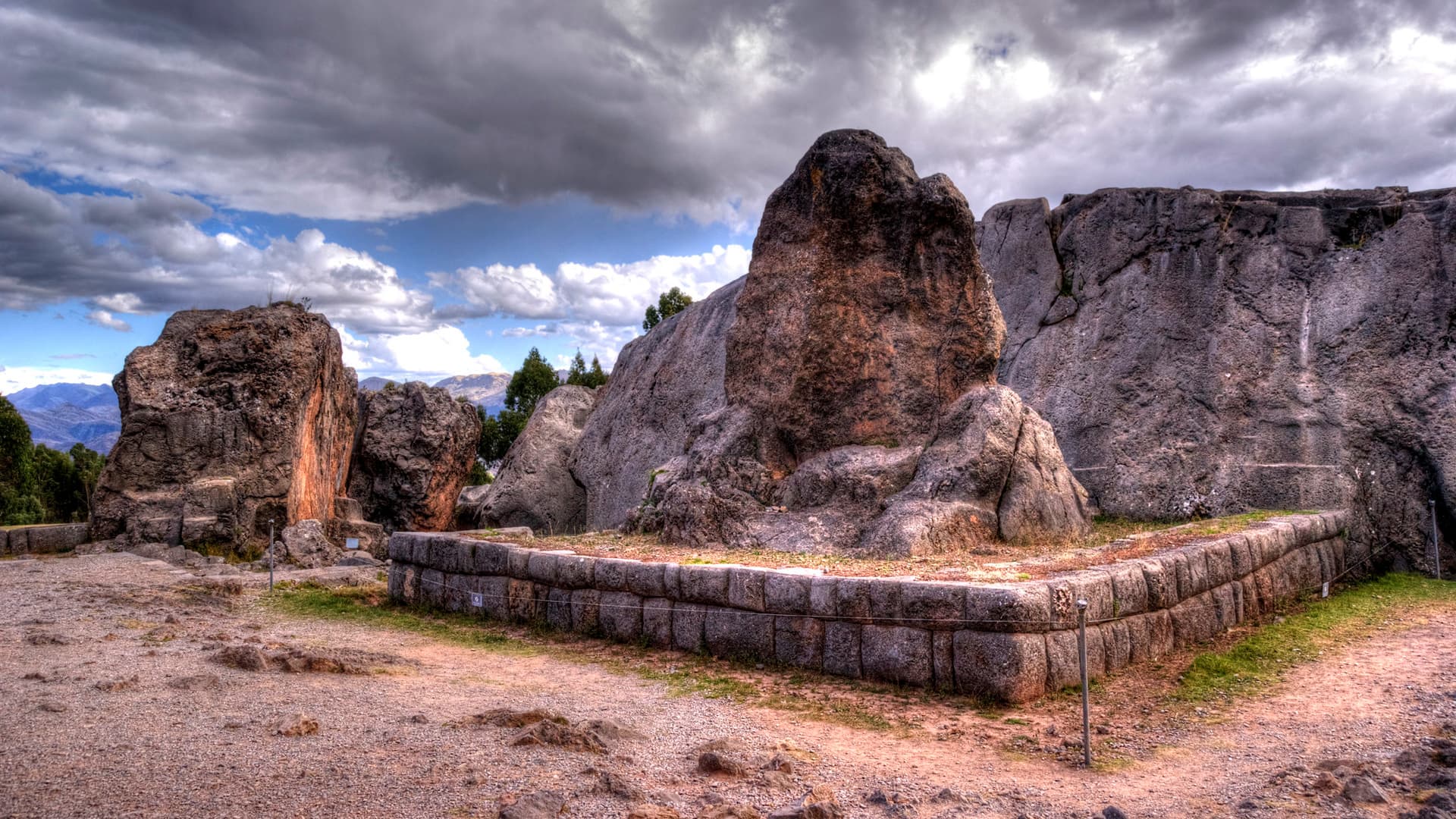
Qenqo, an immense promontory where the Inca carved right into the bedrock
Pukapukara, the Red Fortress with cryptic historical use
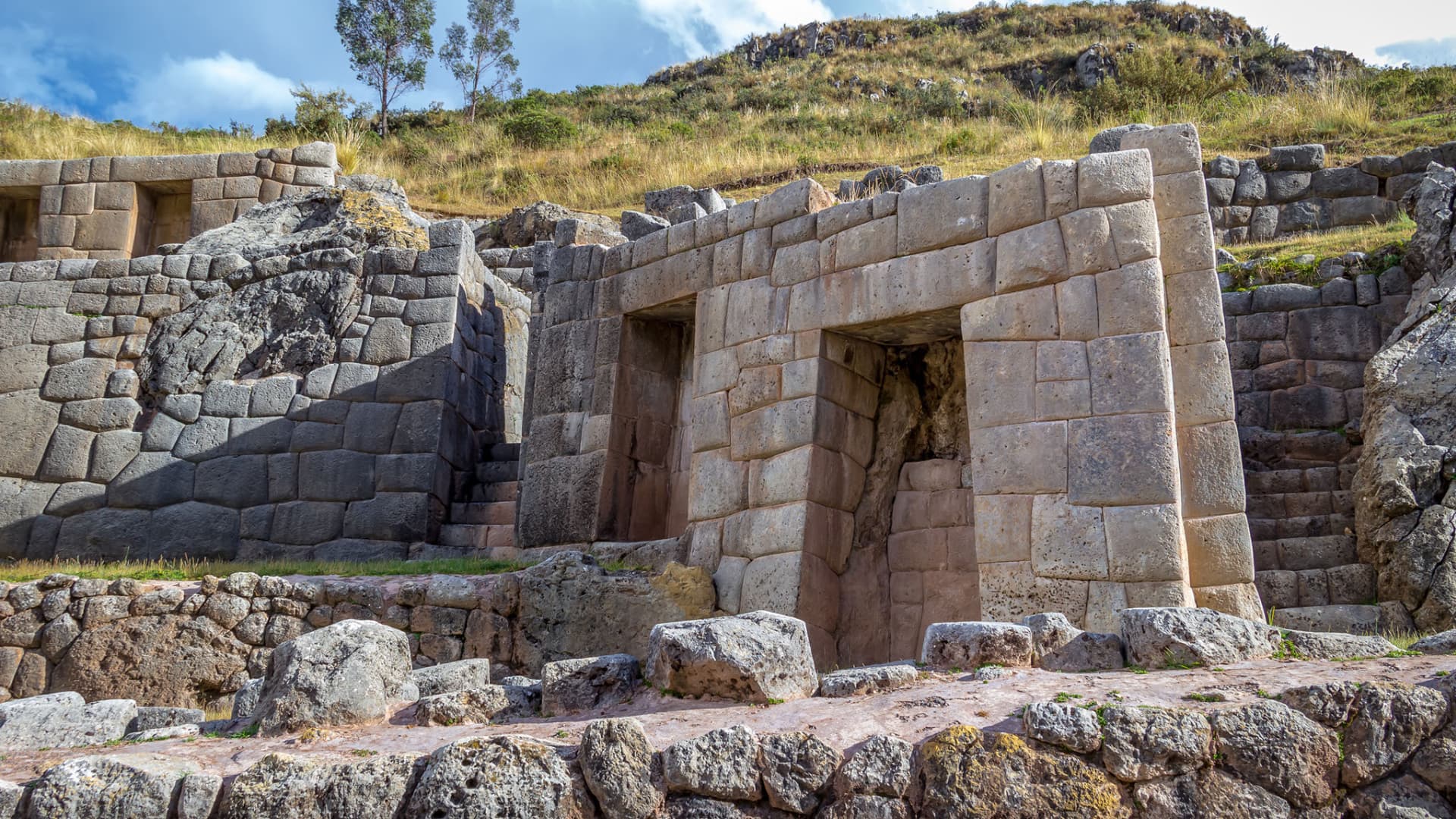
Tambomachay, the most important site for water rituals
We will pick you up from your hotel to being your visit of the Imperial City of Cusco. It is a living example of the mix of Andean and Spanish culture. We start the tour at the Convent of Santo Domingo built over the Koricancha, which was the Ancient Inca Palace and the main worship center of the Sun Inti. You are given plenty of time to enjoy these incredible sights. From there, we visit the archeological site of Sacsayhuaman, with its impressive Inca architecture, which dominates the city. Finally, we explore the archeological sites of Q’enqo, Puca Pucará and Tambomachay, which are located in the northeast section of the city. We will take you back to your hotel in Cusco after the four hour tour.
The convent was built on the spectacular Koricancha, which translates to ‘enclosure of gold’. This was the most important temple dedicated to the worship of the sun and during Inca times, the walls of which were lined with solid sheets of gold. All that remains now is the fine stonework; the conquistadors took the rest and dismantled the temple to build the convent. Koricancha was also an observatory, where Inca priests kept track of major celestial events. Besides the impressive Inca and Spanish architecture and history, you will also see an impressive collection of canvas paintings from the Escuela Cusqueña de Arte.
Sacsayhuaman, which means ‘satisfied falcon,’ is one of the most impressive sites built by the Incas. It is generally referred to as a fortress. However, it is not certain what its main function was before the Spanish arrived. Current research suggests that it was more likely used as a temple, as Inca tombs have been discovered in the area. The site is a marvelous archeological feat: even now, after many parts have been destroyed, one can imagine its greatness when it stood in its full glory. The stones in the walls are incredible and the largest one weighs 128 tons. The Incas planned the city of Cusco in the shape of a puma, with Sacsayhuaman as the head. The magnificent zigzag walls are the major attraction. The grounds surrounding Sacsayhuaman are still used today for the colorful festival of Inti Raymi, which is held to celebrate the winter’s solstice on the 24th of June.
The site of Q’enqo, which means ‘maze’ in Quechua, contains the most impressive carved rocks in the Cusco area. There are carvings everywhere, although some are indistinct, as a llama, a condor and snakes have been identified. There are many zigzag channels sculpted into the natural bedrock, probably used for pouring sacrificial chicha (a local drink made from corn). Below the rock, there are a number of caves and passageways, an altar, which was likely used for the sacrifices of lamas. The mummifications of buried people have also been discovered at this site.
Puka Pukará means “the red fortress” in Quechua. This is a small site and although the name suggests that it was a fortress, it does not appear to have had any defensive purpose. Probably it was used as an administrative center and was also a resting place for chaskis who carried messages from town to town. The interesting point here is the way the Incas built the walls over the natural bedrock.
The name means “place of rest” in Quechua. It used to be the royal palace of the Inca Yupanqui when he went to hunt in the surrounding area. This site was also thought to have been used as a Temple to the Water. There are some interesting aqueducts, canals and fountains sculpted out of stone, designed to channel water flowing from a nearby stream.
GROUP of 1 to 6 persons – $140 for the total group (not per person) GROUP of 7 to 12 persons – $170 for the total group (not per person)

Member Since
Leave a reply